

Choosing between 180% density and 200% density wigs comes down to how full, thick, and voluminous you want your hair to look. A 180% density wig offers a naturally full appearance with noticeable body, making it an excellent choice for everyday wear, professional settings, and effortless styling. A 200% density wig contains more hair, creating a fuller silhouette that works especially well for glamorous looks, thick hairstyles, and anyone who loves extra volume. However, higher density does not automatically mean better quality. Hair length, texture, hair distribution, and construction all affect the final result. If you prefer a balanced combination of fullness, comfort, and natural movement, 180% density is often enough. If you want a noticeably thicker look, 200% density may be worth considering.
What Does Wig Density Mean?
Wig density describes how much hair is used to construct a wig. It is typically expressed as a percentage, with higher percentages generally indicating a fuller wig.
For example, 180% density is generally considered a medium-to-high density option, while 200% density sits in the high-density category. The difference may sound small, but it can affect how thick the hair looks, how much volume it holds, and how the finished hairstyle feels.
Keep in mind that density percentages are not perfectly standardized across all wig brands. Two wigs labeled 180% density can look different because manufacturers may use different construction methods, hair distributions, and quality standards.
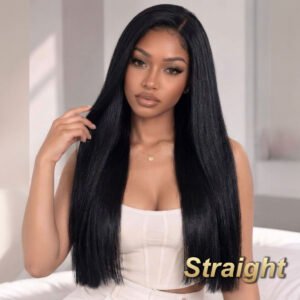
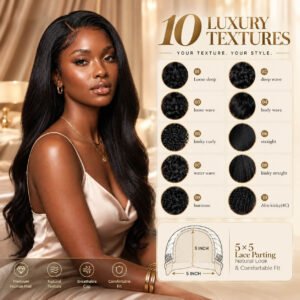
Hair type also matters. A straight wig with 180% density may look sleeker and less voluminous than a body wave wig with the same labeled density. A curly wig can appear especially full because the curls create additional visual volume.
Understanding these factors makes it easier to choose a wig that matches your preferred hairstyle rather than relying on a percentage alone.
180% Density vs. 200% Density Wigs: Key Differences
| Feature | 180% Density Wig | 200% Density Wig |
|---|---|---|
| Overall appearance | Naturally full with balanced volume | Fuller and more voluminous |
| Hair thickness | Moderate to high | High |
| Natural movement | Typically lighter and more flexible | Can feel heavier depending on length and construction |
| Styling versatility | Ideal for everyday and polished looks | Excellent for bold, voluminous hairstyles |
| Weight | Generally lighter | Generally heavier |
| Drying and maintenance | Usually easier and quicker | May require more time and effort |
| Best hair lengths | Short to long | Medium to long, especially when extra fullness is desired |
| Best for | Everyday wear, beginners, and balanced fullness | Glamorous styles and those who prefer thicker hair |
| Main consideration | May not provide enough volume for some high-volume styles | Extra hair may feel unnecessary for minimalist looks |
The biggest difference is the amount of fullness you can expect. A 200% density wig generally creates a thicker appearance, while a 180% density wig offers a balance between volume and manageability.
Neither option is automatically superior. The right choice depends on your styling preferences, comfort requirements, and the overall look you want to achieve.
What Does a 180% Density Wig Look Like?
A 180% density wig typically provides enough hair to create a full hairstyle without looking excessively thick. It offers visible body while allowing the hair to move naturally.
For straight hairstyles, 180% density can create a smooth, polished finish with a substantial amount of hair. For body wave and loose wave styles, it provides noticeable movement and dimension without necessarily feeling too heavy.
Another advantage is versatility. You can wear a 180% density wig to work, run errands, attend social events, or create a more glamorous look with the right styling techniques.
However, the final appearance depends heavily on hair construction. A wig with uneven hair distribution or thin ends may look less full than expected, even if its advertised density seems high.
This is why hair quality and construction deserve as much attention as the density percentage. Double-drawn human hair, for example, is designed to provide more consistent thickness from the roots toward the ends than hair with a greater proportion of shorter strands.
Advantages of 180% density wigs
- Balanced fullness that suits many face shapes and personal styles.
- Generally lighter and more comfortable than comparable higher-density wigs.
- Easier day-to-day handling and potentially shorter drying times.
- A versatile option for casual, professional, and formal occasions.
- Works well for straight, wavy, and curly textures.
Potential drawbacks
- May not provide enough volume for people who prefer very thick hairstyles.
- Long straight styles can appear less dramatic than the same style at a higher density.
- Hair with naturally tapered or thinner ends may not deliver the substantial finish some buyers expect.
A 180% density wig is a strong starting point if you want a full, polished hairstyle without going too heavy.
What Does a 200% Density Wig Look Like?
A 200% density wig is designed to provide more hair and a fuller overall silhouette. Compared with a similar 180% density wig, it will generally look thicker, although the difference can vary depending on the manufacturer and hairstyle.
The added fullness can be particularly noticeable in long straight hair, voluminous waves, and styles that benefit from substantial body. If you enjoy a bold, glamorous finish, a higher-density wig may help you achieve that appearance without relying entirely on teasing or extensive styling.
However, extr